
Charleston is famous for its cobblestone streets, pastel row houses, and a food scene that holds its own against any city in the South. Spend a few days here, though, and you start to notice that the place is really defined by water. Three rivers meet at the harbor, tidal creeks wind through the marsh, and the whole peninsula sits in the middle of it.
If you’ve only explored the city on foot, you’ve seen about half of it. Below, I’ll go over what a day on the water can look like, which kinds of outings suit which occasions, and what’s worth sorting out before you book a private trip.
Why the Harbor Changes How You See the City
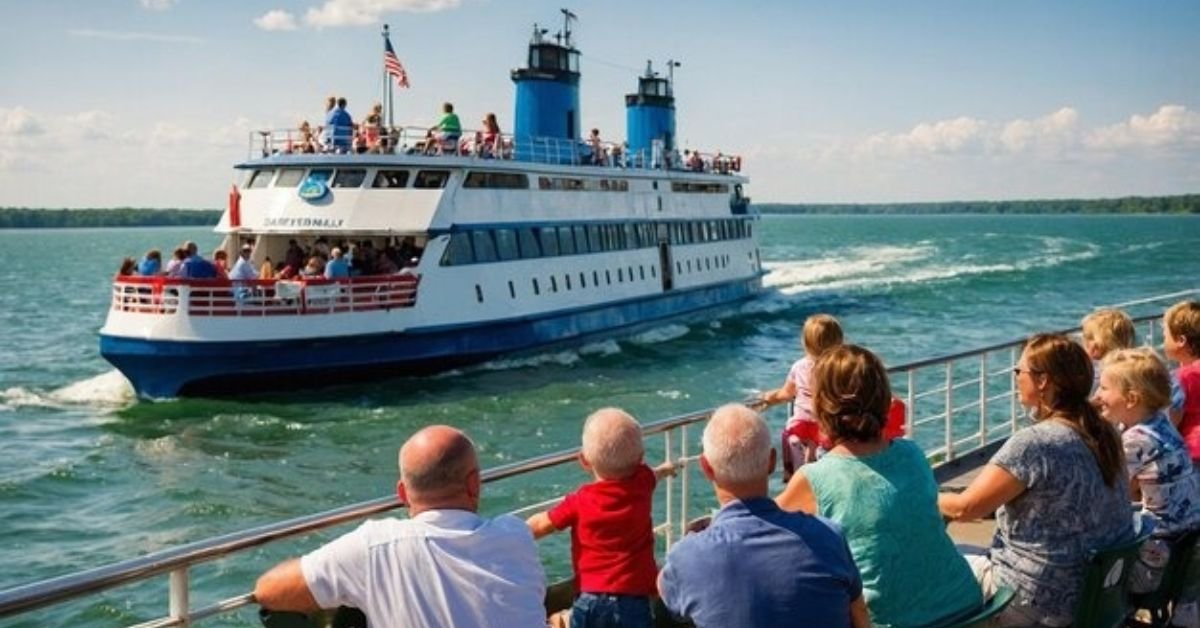
Charleston started life as a port, and the harbor still tells that story better than most plaques or museum displays. From a boat, the skyline opens up in a way it never does from the sidewalk: church steeples above the rooftops, the grand houses along the Battery, and the cables of the Arthur Ravenel Jr. Bridge crossing the Cooper River against much older buildings.
The water also gives you space. Downtown can feel packed in peak season, with long lines and crowded sidewalks. Out on the harbor, everything slows down. You sit back, feel the breeze, and watch pelicans skim the surface while the city slides by.
That’s a big reason many locals and visitors look into a Private boat Cruise Charleston SC rather than joining a large group tour. When the boat is just for your party, you get more say in the pace, the mood, and often the route. That matters if you’re traveling with family, marking a special occasion, or hosting guests who’d like something more personal than a scripted ride with strangers.
What You Might See Out There
Exactly what you see depends on the boat, the weather, the tide, and your captain’s suggestions, but the Charleston area gives you plenty to look at.
History on the Water
The harbor is full of it. Depending on the route, you may get views of Fort Sumter, where the first shots of the Civil War were fired in 1861, and Fort Moultrie on Sullivan’s Island. Closer to the peninsula, the Battery’s antebellum mansions look especially good from the water. Across the harbor in Mount Pleasant, Patriots Point is home to the USS Yorktown, a retired aircraft carrier that’s now a museum. You don’t really grasp how big it is until you’re floating next to it.
Bridges, Islands, and Lighthouses
The Ravenel Bridge is one of the most photographed structures in the region, and looking up at it from below is a different experience from driving across. Sullivan’s Island, Morris Island, and the barrier islands add variety to the view, and the Morris Island Lighthouse, standing offshore, is a favorite with photographers.
Marsh and Wildlife
The creeks and marshes around Charleston are alive with animals. Dolphins turn up regularly in the harbor and nearby waterways, and you’ll often spot herons, egrets, and pelicans too. The marsh grass changes color through the year and looks best in the soft light of early morning or late afternoon. No one can promise a wildlife sighting, of course, but a quiet boat with a small group gives you a better shot at one than a crowded deck does.
Choosing the Right Kind of Cruise
Not every trip on the water has the same purpose, so it helps to think about what you actually want out of the day.
A classic harbor tour is the natural pick for first-time visitors. In a short time you get a feel for the city’s layout, history, and landmarks. On a private boat you can ask questions as they come up and linger where something catches your eye.
A sunset cruise is probably the most loved option, and for good reason. As the sun drops, the sky over the Ashley River and the harbor turns orange and pink, and the city lights start to come on. It’s an easy choice for couples and anniversaries, or just a relaxed evening with friends. Try to board early enough to catch the golden hour, and bring a light layer, because it usually cools off once the sun goes down.
A nature outing suits people who care more about marsh scenery and wildlife than landmarks. If that’s you, ask about a route through the creeks and tidal waterways. These trips tend to be quieter, which families and photographers often appreciate.
A custom itinerary is where a private charter really earns its keep. Some groups want a short scenic ride before dinner. Others want a long, lazy afternoon with time to swim or just float. If you tell the charter company what you’re hoping for ahead of time, they can usually suggest a plan to match.
Celebrations on the Water
Charleston is a popular place to celebrate, and the harbor makes a memorable backdrop for plenty of occasions.
Birthdays and anniversaries feel bigger on a boat than at a restaurant table, and a sunset trip pairs especially well with an anniversary. The privacy and the light also make the water a favorite spot for proposals. If you’re planning one, let the captain know in advance so the timing and location can be arranged properly.
Family reunions can be tricky to plan, since you’re trying to find something that works for toddlers and grandparents alike. A boat outing is easy at nearly any age, with no long walks and no waiting in line. Wedding parties often start the weekend with a relaxed cruise, and rehearsal gatherings or small welcome parties can work too, depending on the vessel’s capacity and the company’s rules. Corporate groups sometimes choose a boat for team outings or client entertainment, since it’s a more relaxed setting for conversation than a conference room. Whatever the occasion, check the charter’s policies on food, drinks, music, and decorations before you start making plans.
Planning Your Charter
A bit of preparation goes a long way.
Think about the season and time of day. Spring and fall are generally the most comfortable times to be on the water, with milder temperatures and lower humidity. Summers are hot and humid, so morning and evening trips are usually more pleasant than midday ones. Winter days can be crisp and clear with fewer boats around, but it feels colder once you’re moving, so dress in layers. Because the Lowcountry is prone to afternoon storms in the warmer months, leave some flexibility in your schedule and ask how the company handles weather.
Know your group. Decide how many people are coming, including children, and whether anyone has mobility needs. Boats differ in capacity, seating, and accessibility, and a good charter company will want to match you with the right one.
Sort out food and drinks early. Policies vary between operators. Some let you bring your own picnic or catering, and others have specific rules, so it’s worth asking before you’ve planned a menu.
Decide what matters most. Is it the photos, the history, the quiet, the wildlife, or simply an unhurried afternoon? Knowing your priority helps the captain suggest the right route and timing. A group after a peaceful sunset needs a different plan than one that wants a lively afternoon with friends.
What to Bring
Comfort matters more than style on a boat. Sunscreen, sunglasses, and a hat are worth having, since the glare off the water is stronger than it feels. Wear flat, soft-soled shoes that are comfortable on a deck, and pack a light jacket, because it’s often cooler out there than on land. Bring a camera or a fully charged phone, ideally with a strap or secure case. If you’re prone to motion sickness, take whatever remedy usually works for you. The harbor is generally gentle, but wind and tides can change how the water feels, so it pays to be prepared. A small bag with the essentials is easier to manage than a bulky one.
Questions to Ask Before You Book
Choosing a charter company is easier when you know what to ask. Find out whether the vessel is licensed and insured and whether it’s run by a qualified captain. Ask about maximum capacity and the safety equipment on board. Get clear on what’s included in the price and what costs extra, and ask about the cancellation and weather policy. It’s also worth asking whether the route or timing can be adjusted for your group, whether you can bring food, drinks, or decorations, and how far in advance popular dates tend to book up.
Reputable operators are usually happy to answer all of this plainly. If a company is vague about safety, pricing, or policies, take note before you commit.
Fitting a Cruise into Your Charleston Day
A boat outing pairs well with the rest of a Charleston day. Plenty of people take a morning walk through the historic district, have lunch at a Lowcountry restaurant, and then wind down with an afternoon or sunset cruise. Others do it the other way around, starting on the water and finishing with dinner on King Street or somewhere quiet by the waterfront.
If you’re visiting from out of town, consider booking the cruise early in your stay. Seeing the harbor first helps you understand how the city is laid out, and that makes everything you explore on land afterward easier to place. Locals often find the same thing: you notice details from the water that you’ve walked past for years.
Final Thoughts
Charleston’s charm isn’t limited to its streets and landmarks. The harbor, the rivers, and the marsh are a large part of what makes the city feel the way it does, and seeing them from a boat adds something you can’t get on land. Whether you’re planning a quiet sunset, a family get-together, a milestone celebration, or just an easy afternoon with friends, a private cruise offers comfort, flexibility, and a different view of the city.
Plan ahead, ask the right questions, pick a time of day that suits what you’re after, and leave a little room for surprises, like a dolphin surfacing beside the boat or a sunset that turns the whole harbor gold. For a lot of people, it ends up being the part of the trip they remember most.
 JournalSys