
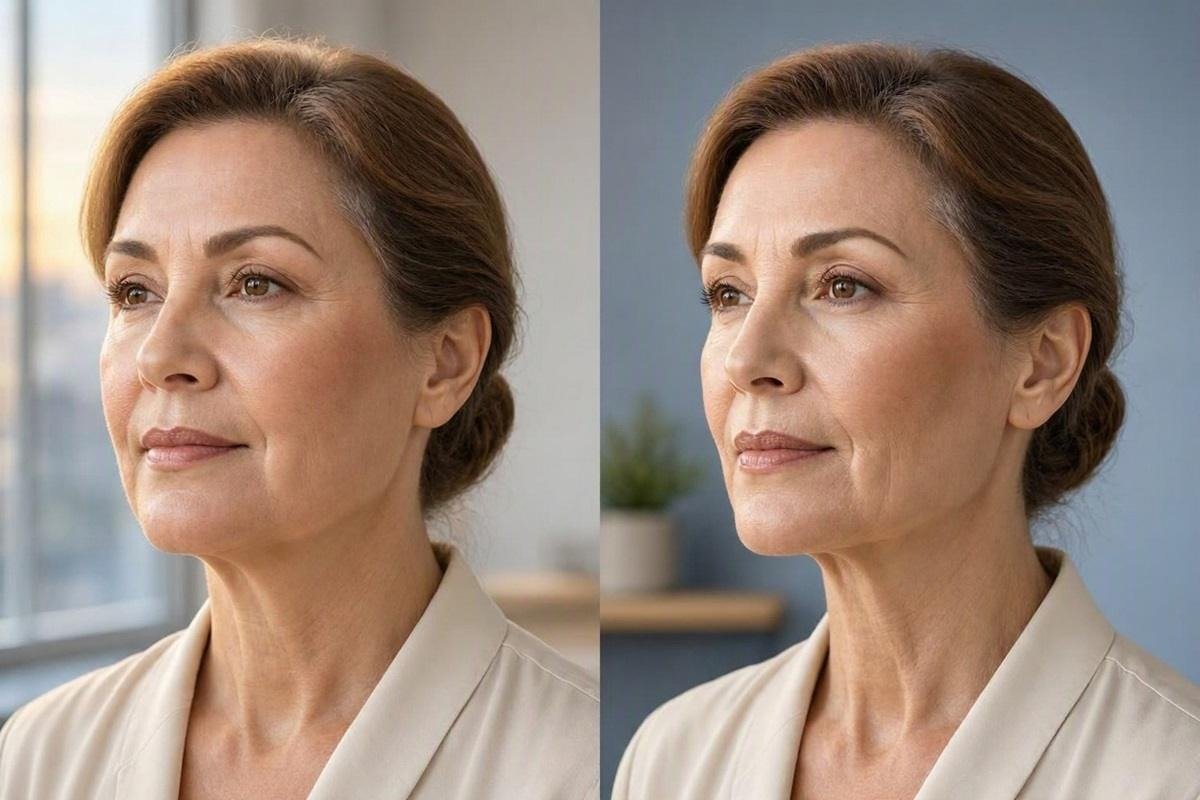
GLP-1 medications have changed the way many people approach weight loss. Treatments such as semaglutide and tirzepatide can help reduce appetite, support blood sugar control, and promote significant weight reduction. While these changes can improve overall health, they may also affect facial appearance. Some people notice thinner cheeks, deeper lines, loose skin, or a more hollow appearance after losing weight. One common concern is face volume loss after weight loss, which can make facial features look less full and youthful.
These changes are often called “GLP-1 face.” Although the term is popular, it is not a medical diagnosis. It describes facial changes that can happen after rapid or substantial weight loss. Understanding why these changes occur can help you explore safe ways to restore facial volume and maintain a refreshed appearance.
What Is GLP-1 Face?
GLP-1 face refers to changes in facial fullness that may develop during significant weight loss. As the body loses fat, it also loses some of the natural fat beneath the skin of the face. This fat gives the cheeks, temples, and under-eye area a soft and youthful appearance.
When facial fat decreases, the skin may look less firm. Cheeks can appear flatter, and wrinkles may become more noticeable. These changes are not caused by GLP-1 medications directly. Instead, they are mainly related to the amount and speed of weight loss.
Why Does the Face Lose Volume?
Facial fat plays an important role in maintaining natural contours. It supports the skin and helps create smooth transitions between facial features. During weight loss, the body uses stored fat for energy, including fat in the face. This process can contribute to face volume loss after weight loss, particularly when a person loses a significant amount of weight.
Several factors can influence how much your face changes:
- Rapid weight loss: Losing weight quickly may give the skin less time to adjust.
- Age: Older skin produces less collagen and elastin.
- Genetics: Some people naturally have less facial fat.
- Skin elasticity: Reduced elasticity can make loose skin more noticeable.
- Amount of weight lost: Larger weight changes may lead to more visible facial volume loss.
Everyone responds differently. Two people taking the same medication may notice very different changes in their facial appearance.
Common Facial Changes
Facial changes after GLP-1 weight loss can affect different areas. Some people notice only mild changes, while others experience more visible volume loss.
1. Hollow Cheeks
The cheeks may lose their natural fullness as underlying fat decreases. This can make the cheekbones look more prominent and create a tired appearance.
2. Sunken Temples
Fat loss around the temples can create a hollow appearance on the sides of the forehead. This may make the upper face look less full.
3. Deeper Facial Lines
Smile lines and folds around the mouth may become more noticeable when the surrounding facial fat decreases. The skin may also appear thinner.
4. Loose Skin and Fine Wrinkles
After significant weight loss, the skin may not fully adjust to the body’s new shape. This can lead to mild sagging, fine lines, and reduced firmness around the cheeks, jawline, and neck.
When Do Facial Changes Begin?
Facial changes do not happen at the same time for everyone. Some people notice differences within a few months of starting treatment. Others may not see noticeable changes until they have lost a larger amount of weight.
The speed of weight loss, age, genetics, and skin quality all influence the results. Facial volume loss may become more noticeable as weight continues to decrease. Once weight stabilizes, some changes may become less noticeable, although lost facial fat does not always return naturally.
It is important to remember that weight loss affects everyone differently. Regular appointments with your healthcare provider can help you monitor your progress and discuss any concerns.
How to Restore Facial Volume?
There are several ways to improve facial fullness after weight loss. The right approach depends on your skin condition, facial structure, and personal goals. A qualified aesthetic professional can recommend treatments based on your needs.
1. Dermal Fillers
Dermal fillers are a popular option for restoring lost facial volume. Many fillers contain hyaluronic acid, a substance that naturally occurs in the body and helps retain moisture.
They can be used to improve fullness in areas such as:
- Cheeks and midface
- Temples
- Chin and jawline
- Areas around the mouth
Fillers can create softer contours and improve facial balance. Results depend on the product, treatment area, and individual response. A trained medical professional should always perform the treatment.
2. Collagen-Stimulating Treatments
Collagen-stimulating treatments help improve skin quality over time. They encourage the body to produce more collagen, which supports skin firmness and structure.
These treatments may be helpful for people who notice mild skin laxity after weight loss. Results usually develop gradually and may require multiple sessions. They can also complement other aesthetic procedures.
3. Skin Tightening Treatments
Skin tightening procedures can help improve the appearance of loose skin. Depending on the technology used, treatments may deliver controlled energy beneath the skin to encourage collagen production.
Common options include radiofrequency and ultrasound-based treatments. These procedures may help improve skin firmness around the cheeks, jawline, and neck. However, results vary, and significant loose skin may require other treatment options.
Daily Habits That Support Healthy Skin
Professional treatments can help restore facial volume, but daily habits also play an important role in maintaining healthy skin. Good nutrition, hydration, and sun protection support the skin’s natural functions.
Consider adding these habits to your routine:
- Eat enough protein
- Stay hydrated
- Protect your skin
- Get enough sleep
- Follow a gentle skincare routine
- Avoid smoking
These habits cannot replace lost facial fat, but they can support healthier-looking skin during and after weight loss.
Can Facial Volume Return Naturally?
Some facial changes may improve after weight loss slows down and the body adjusts. Skin can gradually adapt, especially in younger people with good natural elasticity. However, lost facial fat may not return simply because weight has stabilized.
Maintaining a healthy weight, eating a balanced diet, and following a suitable skincare routine can support your appearance. If hollow areas or loose skin remain, an aesthetic consultation can help identify appropriate options. The goal should be to achieve natural-looking results rather than completely change your facial features.
What Makes New You Aesthetics Special?
New You Aesthetics is a med spa in Crown Point, Indiana, dedicated to helping clients look refreshed and feel more confident in their appearance. It offers personalized aesthetic treatments that focus on enhancing natural beauty, improving facial balance, and addressing common concerns such as volume loss and skin laxity. Each treatment is designed to complement your individual features rather than change the way you look.
What makes New You Aesthetics special is its focus on helping every client feel comfortable and confident in their own skin. Whether you want to restore facial fullness after weight loss, improve your skin’s appearance, or achieve a more refreshed look, the right treatment can help you reach your aesthetic goals. The aim is simple: to enhance the features that make you uniquely you while helping you look and feel your best.
Conclusion
Facial changes after GLP-1 weight loss are a common concern for people who experience significant weight reduction. Hollow cheeks, deeper lines, and loose skin can affect facial balance. Face volume loss after weight loss may be noticeable, but several options can help restore a fuller and refreshed appearance.
From dermal fillers to collagen-stimulating and skin-tightening treatments, the right solution depends on your individual needs. Combining professional care with healthy daily habits can support your skin and overall appearance. With the right guidance, you can enjoy your weight loss progress while taking care of the features that make you uniquely you.